Navigating the Legal Landscape: Copyright and Licensing for 3D Printing Businesses
The world of 3D printing is a rapidly expanding frontier, offering incredible opportunities for innovation, customization, and on-demand manufacturing. However, for businesses operating in this space, it's crucial to understand the legal frameworks surrounding intellectual property, specifically copyrights and licensing, to avoid costly pitfalls and ensure sustainable growth.
Imagine a customer approaches your 3D printing business with a request to print a replica of a famous movie prop. While it might seem like a straightforward printing job, this scenario immediately raises questions about copyright. Owning a 3D printer doesn't automatically grant you the right to reproduce any object you can imagine.
What is Copyright and Why Does it Matter for 3D Printing?
Copyright protects original works of authorship, including literary, dramatic, musical, and certain artistic works. In the context of 3D printing, this often extends to:
- Design Files (CAD Models): The digital blueprints used to create a 3D object are themselves subject to copyright.
- Artistic Sculptures and Designs: If you're printing a decorative item or a unique character, the underlying artistic design is likely copyrighted.
- Functional Designs with Artistic Elements: Even functional objects can have copyrighted artistic elements. Think of a uniquely styled phone case or a custom-designed lamp.
Why is this important? Copyright holders have exclusive rights to reproduce, distribute, perform, display, and create derivative works of their copyrighted material. If your 3D printing business infringes on these rights, you could face legal action, including injunctions to stop your operations, monetary damages, and even the destruction of infringing items.
Licensing: The Key to Legal 3D Printing
So, how can 3D printing businesses legally access and use copyrighted designs? The answer lies in licensing. A license is a legal agreement that grants permission to use copyrighted material under specific terms and conditions.
Here are some common licensing scenarios and types relevant to 3D printing:
1. Direct Licensing from the Copyright Holder
The most straightforward approach is to obtain a direct license from the copyright owner. This might involve:
- Commissioning a Design: If you're hiring a designer to create a unique model for your business, ensure your contract clearly states that you own the copyright or have an exclusive license to use the design for your intended purpose.
- Purchasing Licensed Designs: Many companies and individuals offer their 3D models for sale with explicit licenses for commercial use. Always read these licenses carefully to understand the scope of use (e.g., how many prints you can make, whether you can modify the design, if you can resell the prints).
- Brand Licensing: For popular characters, logos, or products, you might need to secure a brand license from the intellectual property owner. This can be a more complex and costly process but is essential for legally reproducing branded items.
2. Creative Commons Licenses
Creative Commons (CC) licenses offer a standardized way for creators to grant permission for others to use their work. While many CC licenses allow for non-commercial use, some, like CC BY (Attribution) and CC BY-SA (Attribution-ShareAlike), permit commercial use, often requiring attribution to the original creator.
It's crucial to understand the specific terms of each CC license. For example, "ShareAlike" means that if you adapt or build upon the material, you must license your new creation under the identical terms.
3. Public Domain
Works in the public domain are no longer protected by copyright and can be freely used by anyone for any purpose. This typically includes works where the copyright has expired. However, determining if something is truly in the public domain can be complex and varies by jurisdiction.
4. Fair Use/Fair Dealing (Limited Exceptions)
In some jurisdictions, "fair use" (U.S.) or "fair dealing" (U.K. and others) doctrines allow for limited use of copyrighted material without permission for purposes such as criticism, commentary, news reporting, teaching, scholarship, or research. However, these are narrow exceptions and generally do not apply to commercial reproduction of designs for profit. Relying on fair use for a 3D printing business is highly risky.
Best Practices for 3D Printing Businesses
To navigate the legal complexities effectively, consider these best practices:
- Educate Yourself and Your Team: Understand the basics of copyright law and licensing.
- Always Assume Copyright Protection: When in doubt, assume a design is copyrighted and requires a license.
- Source Your Designs Legally: Utilize reputable platforms that offer commercially licensable 3D models.
- Read Licenses Carefully: Before downloading or using any 3D model, thoroughly review its license to ensure it permits your intended commercial use.
- Maintain Clear Records: Keep detailed records of all licenses, permissions, and design purchases.
- Implement a Vetting Process: If customers submit their own designs, have a clear policy that requires them to confirm they have the necessary rights or licenses to reproduce the material. Consider including disclaimers in your terms of service.
- Consult Legal Counsel: For complex situations, significant investments, or if you have any doubts, seek advice from an intellectual property lawyer.
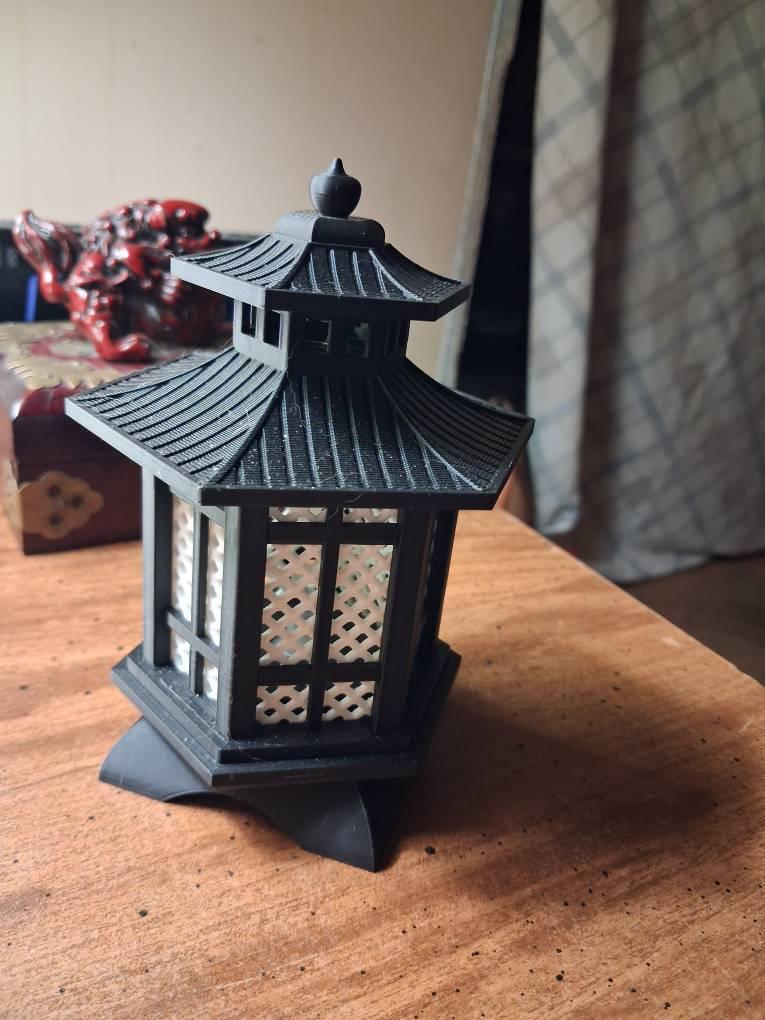
Here’s a helpful visual to illustrate the difference between buying a 3D printer and being able to print anything:

The 3D printing industry is full of exciting possibilities, but like any business, it operates within a legal framework. By understanding and respecting copyright and diligently managing licenses, your 3D printing business can thrive while avoiding legal entanglements and building a reputation as a responsible and legitimate enterprise.